




NEVHC believes everyone deserves access to trusted HIV services, regardless of insurance or income. We offer free or low-cost HIV prevention, testing and treatment. Our care team works with you to create a personalized prevention plan which may include Pre-exposure Prophylaxis (PrEP) and Post-exposure Prophylaxis (PEP) medications to provide early, effective treatment if needed. HIV testing is available at all NEVHC locations, with comprehensive HIV prevention and treatment services offered at our Van Nuys Adult Health Center.
Sexual Health and Appointment Line
HIV Services
- HIV Testing and Counseling: Testing for HIV is quick and requires a blood sample. Rapid HIV testing is also available at select NEVHC health center locations. Call our Sexual Health Line for more information.
- Free or Low-Cost PrEP & PEP: Many health care plans and programs provide PrEP and PEP for free or at low cost. If you are uninsured, our enrollment counselors can help you select the best assistance program to cover or reduce the costs of your PrEP or PEP treatment.
- HIV Treatment: If you test positive for HIV, treatment is available at our Van Nuys Adult Health Center by trained HIV providers.
- Sex Education: Our health educators can answer your questions about safe sex practices and prevention of STIs.
- Housing Opportunities for Persons With AIDS (HOPWA): Through HOPWA, NEVHC helps eligible individuals living with HIV access stable housing and supportive services to improve their health and quality of life.
- Benefits Specialty Services: Individuals living with HIV can receive assistance with navigating public benefits enrollment or re-enrollment, such as SSI, SSDI, Medi-Cal, and Unemployment Disability.
Locations
HIV testing is available at all NEVHC health centers. Call to obtain information about sites offering rapid HIV testing. HIV treatment is available at the health center below.
Learn more about PrEP and PEP
We currently offer two forms of HIV prevention medication:
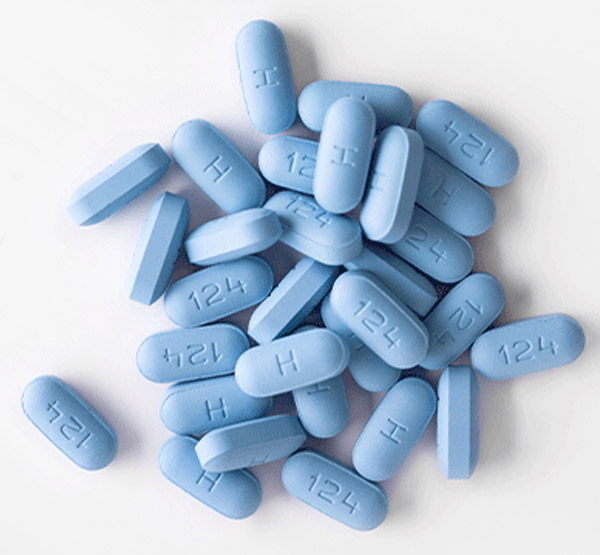
What is PrEP?
PrEP (pre-exposure prophylaxis) is an HIV prevention method that involves taking oral or injectable medications at recommended frequencies per provider directions. PrEP is taken by individuals at high risk of contracting HIV. When taken as directed, it is 99% effective in helping individuals stay HIV negative.
PrEP might be right for you if you are HIV negative and at high risk for HIV exposure
You are considered high risk for HIV exposure if:
- You have an HIV positive partner(s)
- You don’t always use condoms
- You have been exposed to a sexually transmitted infection (STI) in the last six months
- You use needles or syringes to inject drugs
- You have been prescribed PEP in the past and engaged in high-risk sexual behavior such as having more than one sexual partner.
To access PrEP, contact our sexual health line via text message or call (818) 923-9160 to speak to a health educator to schedule an appointment. A health care provider will discuss your sexual health history with you to determine if PrEP is right for you. If you are prescribed PrEP, your healthcare provider will instruct you on how to take it and will answer any questions. You will continue to meet with your health care provider every 3 months for HIV/STI testing and PrEP refills.
PrEP Frequent Asked Questions
How much does PrEP cost?
- Many insurance plans cover the cost of your medical visit and PrEP medication by offering PrEP for free or at a reduced cost.
- If you are currently uninsured, our certified enrollment counselors will help you explore your coverage options and will help you enroll in a health plan or public assistance program to help cover PrEP costs. To explore your health coverage options, visit Health Coverage Options.
Is PrEP safe and are there any side effects?
PrEP is safe and recommended by the Centers for Disease Control (CDC) for individuals who are at high risk of HIV transmission. Some users experience side effects such as diarrhea, nausea, fatigue, stomach pain and headaches. These symptoms typically disappear over time. Your provider will continue to monitor your side effects after starting PrEP.
What exactly does PrEP do?
PrEP includes the use of antiretroviral medications which shield your body’s cells from being infected by HIV in the event that they are exposed to the virus.
Can I take PrEP after being exposed to HIV?
PrEP does not prevent HIV after exposure, but PEP (post-exposure prophylaxis) can be taken within 72 hours after exposure to HIV. If you think you may have been exposed to HIV, call your doctor immediately.
Do I need to take PrEP for life?
No, you only need to take PrEP during periods of high-risk behavior, or during periods when your healthcare provider deems it beneficial given your lifestyle.
How effective is PrEP?
PrEP reduces your risk of getting HIV through sexual contact by 99% and reduces exposure by 74% if you share needles/syringes.
How quickly does PrEP work?
PrEP reaches maximum protection for anal sex roughly seven (7) days after daily use, and 21 days for vaginal sex and injection drug use.
Is taking PrEP safer than using condoms?
While PrEP is up to 99% effective in preventing HIV, PrEP does not prevent other STIs. It is best if you use PrEP in conjunction with condoms to prevent other STIs.
Can I get HIV from someone who is on PrEP?
You cannot get HIV from someone who uses PrEP consistently and correctly.
Please note: PrEP is never prescribed to individuals with HIV and maximum HIV protection is reached after taking PrEP for roughly 7-21 days.
Can I take PrEP if I’m pregnant or am trying to become pregnant?
The CDC recommends talking with your doctor if you are a person who is trying to get pregnant and has a partner who is HIV-positive. PrEP may be an option to protect you and your baby from HIV transmission.
What is PEP?
PEP (post-exposure prophylaxis) is an antiretroviral medication that is taken to prevent HIV after a potential exposure. PEP is for emergency situations and should be taken within 72 hours of being exposed to HIV or within 2 hours after a needlestick injury or injection. If you are prescribed PEP, you will have to take it daily for 28 days. While PEP is effective at preventing HIV when taken correctly, it does not protect you 100% from contracting the HIV virus.
You should consider taking PEP if in the last 72 hours you have:
- Had unprotected sex with someone whose HIV status you do not know
- Shared contaminated needles or syringes or after a needlestick
- Had sex and the condom broke
- Experienced sexual assault
If you believe you have recently been exposed to HIV, you should speak to a medical professional at NEVHC as soon as possible: (818) 923-9160. Our health educators will help you book an appointment and guide you in its use.
PEP Frequently Asked Questions
How much does PEP cost?
The cost of PEP will depend on your health plan coverage, but there are easy ways to get free or low-cost PEP regardless of your health coverage.
- If you do not have health insurance, our enrollment specialists can help you apply for free PEP services through assistance programs. These requests can be handled urgently to avoid a delay in starting PEP. NEVHC works with you to get you started on PEP as soon as possible.
- If you have been exposed to HIV due to a sexual assault, you may qualify for total or partial reimbursement for PEP medication and the clinical care costs. See resources in your area.
- If you have been exposed to HIV while at work, your workplace health insurance or workers’ compensation coverage through your employer will usually pay for PEP.
How does PEP work?
PEP works by stopping HIV from replicating after a recent exposure. The cells originally infected with HIV die naturally within a short period of time before the virus has a chance to replicate itself in the body.
What happens after I take PEP?
After beginning to take PEP, your doctor will conduct follow up HIV testing in 4-6 weeks. Typically, another HIV test will be conducted 3 months later. It is important to get follow-up HIV testing to ensure the effectiveness of PEP.
What happens if I miss a day of PEP?
If you miss a dose of PEP, it is best to take the pill as soon as you remember. Do not double your next dose.
Is PEP a one-time pill?
No, PEP is a medication taken 1-2 times a day for at least 28 days after starting the medication.
Can I get HIV from someone who is taking PEP?
Unsafe sex while you or someone else is taking PEP could still allow HIV into the body. Do not engage in unsafe sex while on PEP.
Is PEP available over-the-counter?
No. PEP is not available over-the-counter, it must be prescribed by a licensed health care provider or a pharmacist.
How quickly does PEP work?
HIV takes a few days to completely replicate in the body following exposure. PEP works over a 28-day treatment to prevent HIV-infected cells from replicating in the body. After treatment, your doctor will schedule follow up HIV tests to ensure you are HIV-negative.
What are the side effects of PEP?
Common side effects include nausea, fatigue, vomiting, headaches and diarrhea. Approximately 40% of people who take PEP experience side effects, but most side effects are mild.
What causes PEP failure?
PEP failure can occur if you do not take PEP as prescribed or if the initial viral load (amount of HIV) is too high for PEP to be effective. In rare instances, some anti-HIV medications do not work against certain strains of HIV. The sooner you start PEP the better your chances are of staying HIV-negative.
Can I take PEP more than once?
Yes. Since PEP works to kill off HIV-infected cells in the body, the virus cannot build immunity to the medication. If you have taken PEP in the past and encounter a new exposure to HIV, PEP works to prevent HIV caused by the new exposure.
Can I take PEP if I’m pregnant or trying to become pregnant?
There are different versions of PEP medication. If you are early in pregnancy and have been exposed to HIV, your doctor will prescribe a version of PEP that is preferred for pregnant people and poses a lower risk of birth defects. Non-pregnant persons should abstain from trying to get pregnant until the PEP treatment is completed.
Sexual Health Education
NEVHC offers free or low-cost STI (sexually transmitted infections) services in a safe and compassionate environment at all of our health centers. Whether you need testing, treatment or prevention options, our healthcare team is here to support your sexual health with confidential, nonjudgmental care.
Sexual Health Line
Services
- STI Testing: We offer quick and confidential full panel testing for STIs, often using a simple urine or blood sample. You can expect to receive a call about your results within a couple of days. If you are a patient of NEVHC, you can view your test results on your patient portal.
- STI Treatment: If you test positive, our team quickly provides effective treatment and support to help you manage your sexual health.
- STI Prevention: Our health centers provide free condoms and personalized prevention tools, including PrEP and PEP, to help reduce your risk of infection.
- Sex Education: Our trained health educators are here to answer your questions and provide accurate, judgment-free information about STIs, HIV, and safer sex.
STI FREQUENTLY ASKED QUESTIONS
What are the symptoms of STIs?
Many people who have an STI do not experience symptoms. When STIs do produce symptoms, they may include:
- Unusual discharge from the penis or vagina
- Sores or warts
- Painful urination
- Itching and redness in the genital area
The only way to know if you have an STI is by getting tested.
How can I protect myself and my partner(s)?
There are many ways to reduce your risk of getting an STI, including:
- Use condoms and dental dams every time you have sex
- Get vaccinated to protect against STIs like HPV and hepatitis B
- Get tested with your partner(s). Talk to each other about your test results before having sex.
Should I be tested for STIs?
Anyone who is having sex should get tested. It is especially important to get tested if:
- You have a new sex partner or multiple sex partners
- You and your partner are thinking about not using condoms
- Your partner has cheated on you or has multiple partners
- You’ve had an STI in the past 2 years
- You have symptoms that suggest you might have an STI
Are STIs treatable?
All STIs are treatable, and most can be cured if caught early.
- STIs are treated with antibiotics and/or antiviral drugs
- Getting treatment early will help prevent long-term health risks for yourself and your partner
- Serious health problems can occur when STIs go undiagnosed or untreated
What are the different types of STIs?
To learn more about the different types of STIs, please visit the CDC’s Sexually Transmitted Infections (STIs) webpage.